Solar Plexus Chakra Meditation

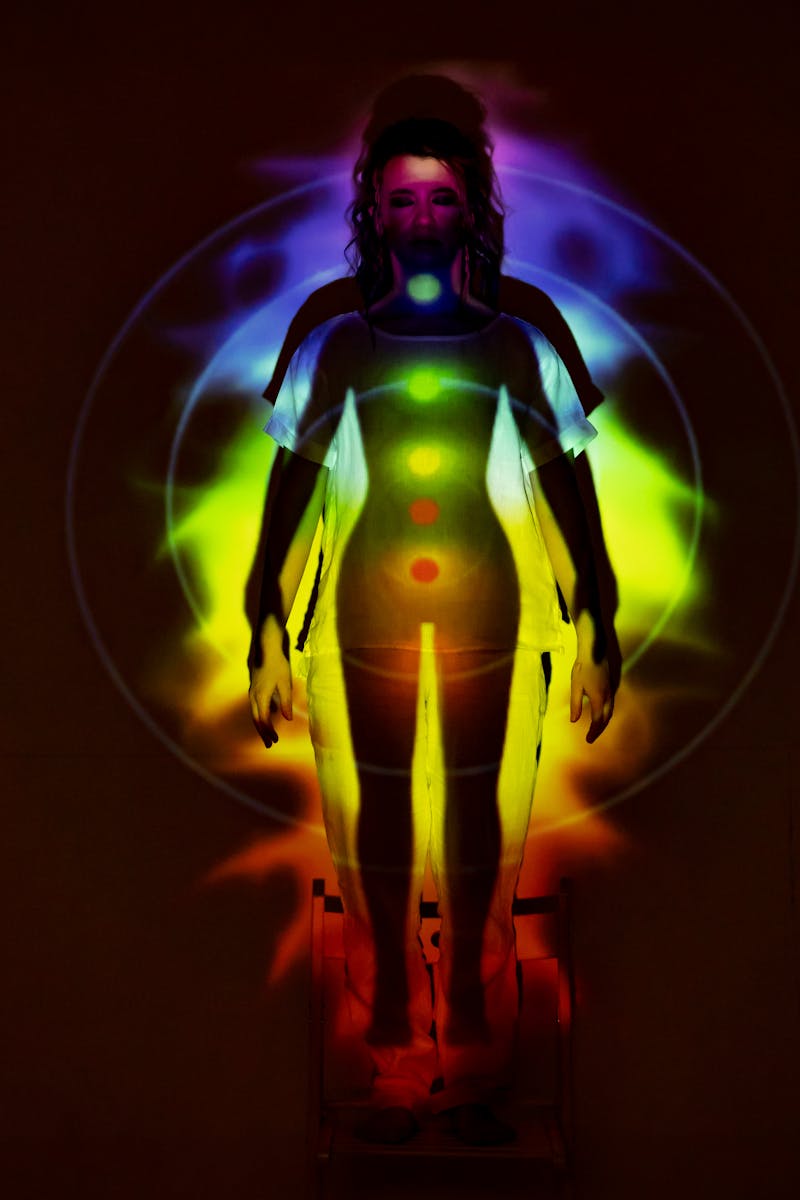
The Solar Plexus Chakra is located in the upper abdomen, just below the rib cage. It is associated with the element of fire and governs our personal power, will, and ego.

When this chakra is balanced, we feel more confident and like we can control what happens in our lives. We are able to assert ourselves and set healthy boundaries. We have a strong sense of self-worth and are able to manifest our desires.

When the Solar Plexus Chakra is out of balance, we may feel powerless, unworthy, and stuck in our lives. We may have trouble standing up for ourselves or setting healthy boundaries. We may also struggle with digestive issues or other physical ailments.

This meditation will help to bring balance to your Solar Plexus Chakra and bring you back into alignment with your personal power.

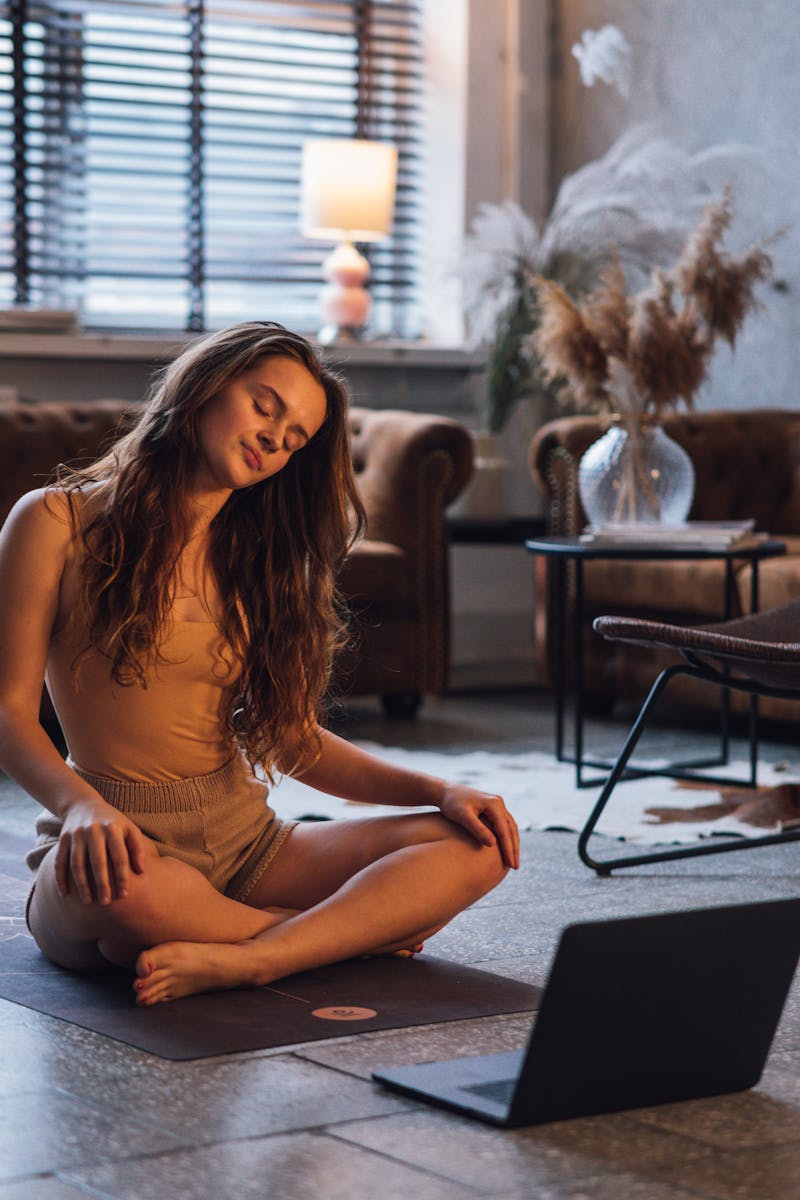
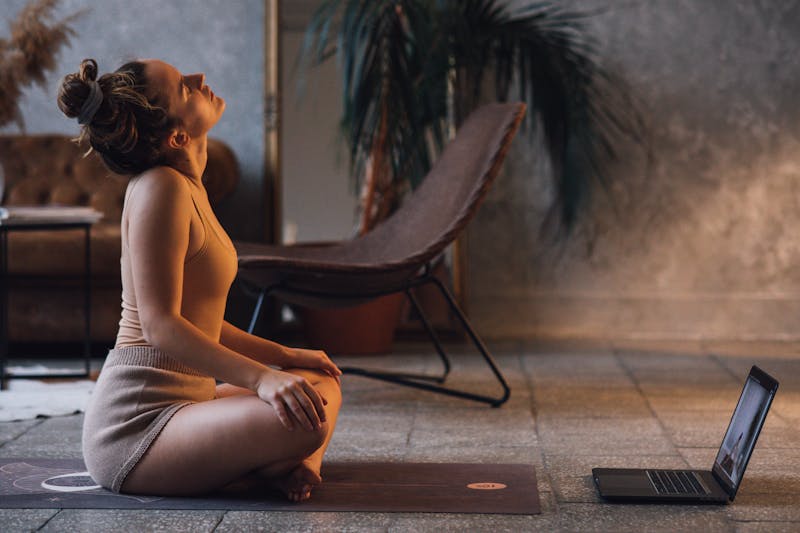
BEFORE YOU START: Choose a time when you can relax and meditate. You may want to set the mood by using oils, candles, or incense in the color of the chakra. Find a comfortable place where you can sit or lie down without being disturbed.

1. You are walking on a path that goes up a hill and you can’t see the end. Today is warm and sunny, with a gentle breeze blowing. You can feel the Sun on your back, making you feel relaxed and happy. The air is filled with the aroma of newly cut grass and fragile flowers.

2. The incline becomes steeper the faster you go, until you eventually find yourself at the bottom of a mountain. But there’s no time to rest; now it’s time to start climbing.

3. You will have to use your best judgment to select the safest path down the mountain, as the sides are steep.

4. You keep climbing until you reach a plateau. In the middle of this flat ground is a fire, and its flames are reaching for the sky. As you walk toward the flames, you can feel the heat on your skin.

5. There’s a pen and paper near the fire…stop what you’re doing, pick them up, and think about someone who has power over you.

6. On a blank sheet of paper, write the name(s) of those you wish to banish from your life … Hold the paper in the flame until it is completely consumed by fire.

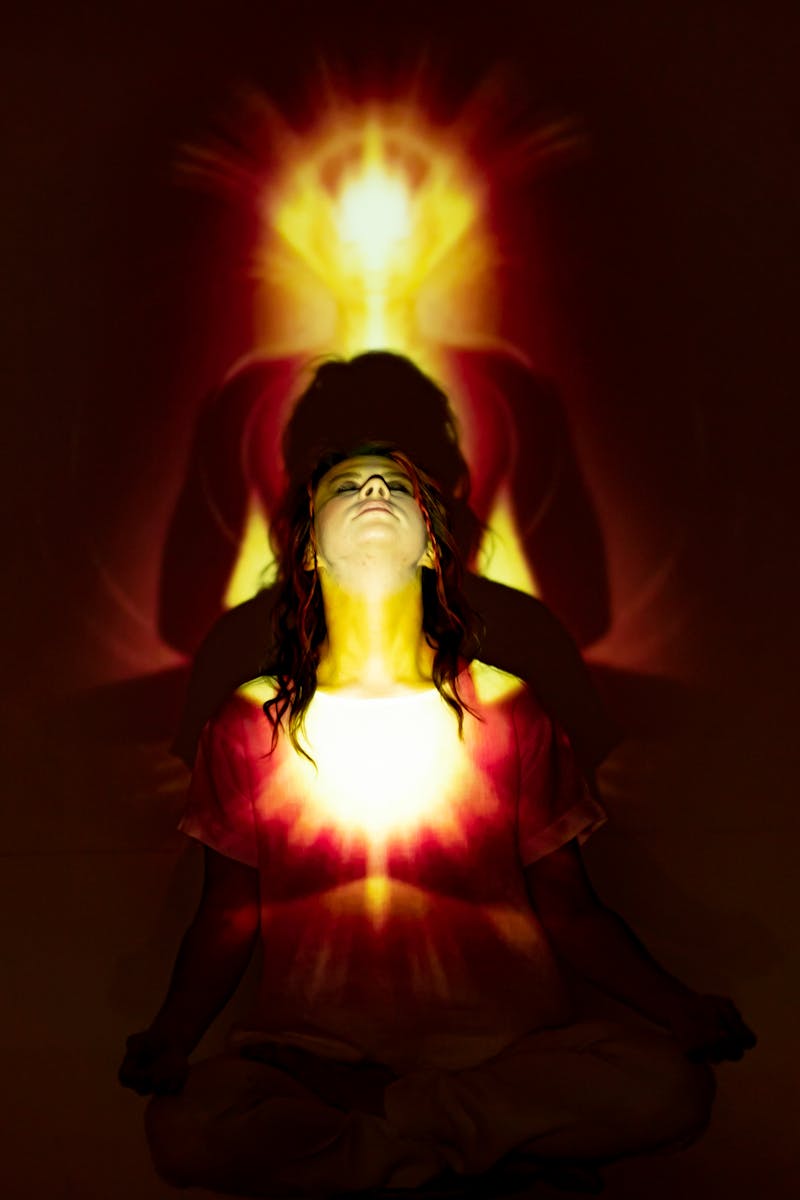
7. Bathe yourself in the warmth of the fire; let its heat regenerate your solar plexus and make you feel stronger. Connect with your Solar plexus. Know that you are a spiritual warrior and have the required inner strength to help you face all life’s challenges.

8. Take pride in this personal power and analyze how it feels. Pay attention to the sensations that your body gives you so you will remember them next time.

9. Now it’s time to walk away from the burning desire, leave the mountain top and find a safe way down. You are the same, but also different …

10. The more you visit the flame on the mountaintop, the stronger your power store will become. You can repeat this process as many times as you wish. Gently open your eyes and return to the present moment.

Meditating to balance your Solar Plexus Chakra is a journey to reclaiming your personal power. It is a way to connect with the fire within you that gives you strength, confidence, and the ability to manifest your desires. Through this process, you will learn to trust your intuition and stand in your truth. solar plexus chakra meditation will help bring balance back into your life and empower you to create the life you want.

Sacral Chakra Meditation

When the Sacral Chakra is balanced, you are creative, have a healthy sexual appetite, and enjoy pleasure in life. You can be emotional, but you are not ruled by your emotions. When the Sacral Chakra is out of balance, you may experience feelings of guilt or shame around sex, problems with addiction or excess, or creative blockages.

This sacral chakra meditation will help to bring balance to the sacral chakra by bringing awareness to the area and using the power of visualization.

BEFORE YOU START: Choose a time when you can relax and meditate. You may want to set the mood by using oils, candles, or incense in the color of the chakra. Find a comfortable place where you can sit or lie down without being disturbed.

1. As you become aware of the chance and movement in your body, such as your heartbeat and blood flow, take notice of the cellular activity that is invisibly rejuvenating your whole being.

2. Every time you take a breath, think of it as a chance to celebrate life. Your breaths give you everything you need to live healthily and enjoyably.

3. Concentrate on your stomach as you inhale and exhale. Visualize it being filled with a warm, orange light. This signifies happiness and having lots of energy, both of which are always available to you.

4. Think of a past happy memory… What sights, sounds, and smells would bring that moment back to life for you now? How did you feel at that moment? Imagine the colors around you: textures, shapes, sounds, smells, and tastes.

5. Focus the image in your mind on your abdomen, and let the warm orange glow surround it. Doing so will intensify the experience and make it more enjoyable. This moment is pleasurable; let yourself enjoy it fully. It is important to remember that you deserve to be happy every day. You can achieve anything you set your mind to.

6. You can choose to have a wonderful, enriching life if you so desire.

7. Gradually bring your attention back to the present moment. Try to find the good things in everything you do today. You deserve it.

The sacral chakra meditation we’ve provided should help you get started thinking about how you can balance your own emotional well-being. A balanced sacral chakra guarantees a more stable and contented life. It is never too late to achieve emotional balance, so start your sacral chakra meditation today.

Root Chakra Meditation

The root chakra is located at the base of the spine, and it is associated with the element of earth. This chakra is responsible for our sense of safety and security, and it is linked to our survival instincts. When this chakra is in balance, we feel confident and grounded. We are able to weather life’s storms and feel a sense of stability in our lives.

When the root chakra is out of balance, we may feel anxious or unsettled. We may have difficulty concentrating or feeling grounded. Physical symptoms can include problems with the feet, legs, and lower back.

Below are steps for a root chakra meditation:

BEFORE YOU START: Choose a time when you can relax and meditate. You may want to set the mood by using oils, candles, or incense in the color of the chakra. Find a comfortable place where you can sit or lie down without being disturbed.

1. Breathe in and out through your nose slowly.

2. Starting with your feet, tense each group of muscles until you reach your head. Sink into the floor or chair, relaxing your muscles as you go.

3. Imagine yourself surrounded by an idyllic landscape. You feel secure and content in this peaceful place.

4. Who are the people that you share this happy place with? Acknowledge each one. Visualize their love as a warm, red-golden light that fills your entire body with happiness.

5. Visualize your inner mother looking out for you protectively. Her smile makes you feel happy and comfortable like you are being hugged by a soft blanket. She will never let you down. She is part of you and will always be there for you.

6. Connecting with your inner mother. Embrace, show affection, or simply walk arm in arm while taking in the calming feeling. Get to know each other. Enjoy the sensation of re-acquaintance and trust …

7. When she hands you the present, take a close look at it. Thank your mother for her gift and tell her that you will cherish it always. It is yours to keep as a reminder that you are never alone and that you always have the strength within yourself to overcome anything.

8. As you hold your gift, allow the energy of your inner mother’s love to flow into your Root Chakra. Envision this chakra as a four-petaled lotus rotating in time like a wheel.

9. Focus on the smooth motion of your chakra and the warm, red glow that fills your body. Let it flow down your legs to connect you with the Earth.

10. Enjoy the reassuring sensation of being grounded, secured, and stable before opening your eyes.

The root chakra is responsible for our sense of safety and security, and it is linked to our survival

When the root chakra is out of balance, we may feel anxious or unsettled. We may have difficulty concentrating or feeling grounded. Physical symptoms can include problems with the feet, legs, and lower back. By practicing the steps for a root chakra meditation regularly, you can help bring your own energy system back into balance. As you do so, you may find that you feel more secure and stable in your day-to-day life.

Meditation for the Seven Chakras

Chakra meditation is a type of meditation that is said to help align and balance the chakras, or energy centers, in your body. There are seven main chakras in the body, each with its own color and corresponding to different aspects of our lives. The crown chakra, for example, is associated with our connection to the divine, while the root chakra is associated with our basic survival instincts.

There is more than one way to meditate on the chakras. We are featuring a simple method that anyone can do:

1. It is important to find a comfortable position for chakra meditation. You may sit in a chair with your feet flat on the ground, or you may sit cross-legged on a cushion or blanket.

2. Once you are seated, begin to focus on your breath. Breathe deeply and slowly, letting your belly expand as you inhale and contract as you exhale.

3. As you focus on your breath, begin to visualize each of the seven chakras, starting with the root chakra at the base of the spine and moving up to the crown chakra at the top of the head.

4. For each chakra, visualize a sphere of light that is either brightly lit or dimmed. If there are any areas that are dark or blocked, imagine the light shining through and clearing away any blockages.

5. As you move through each chakra, take note of any emotions or sensations that arise. If you find any areas that are particularly blocked or unbalanced, spend extra time focusing on those areas.

6. When you reach the crown chakra, spend a few minutes visualizing white light pouring down from above and filling your entire being with light and love.

7. When you are finished, take a few deep breaths and allow yourself to simply be in the moment, feeling peaceful and calm.

8. Chakra meditation can be done daily or as often as needed. It is a great tool to use when you are feeling stressed, anxious, or out of balance in any way.

9. Remember that there is no “right” way to do chakra meditation – simply allow yourself to relax and go with the flow.

Trust that the process will work for you in exactly the way that you need it to. Good luck on your meditation session.

11 Tools for Chakra Meditation Session

Chakra meditation is a form of mindfulness meditation that is focused on the seven chakras or energy centers in the body. Chakra meditation can be used to help balance and harmonize the energy in each chakra center, which can lead to improved health and well-being.

Chakra meditation is a wonderful way to connect with your inner self and explore your spiritual side. It can be helpful for relieving stress and anxiety, improving sleep quality, and reducing pain levels. If you’re interested in giving chakra meditation a try, The Mala Tree Crystal Shop recommends using the tools listed above to get started.

1. Loose, comfortable clothing: You’ll want to wear clothing that won’t restrict your movement or cause you any discomfort. loose-fitting, natural fibers are always a good choice.

2. A comfortable place to sit or lie down: You’ll want to be in a comfortable position for your chakra meditation session. This could be sitting in a chair with your feet on the ground, or lying down on your back with your knees bent and feet flat on the floor. Make sure you’re not too comfortable, though, as you don’t want to fall asleep.

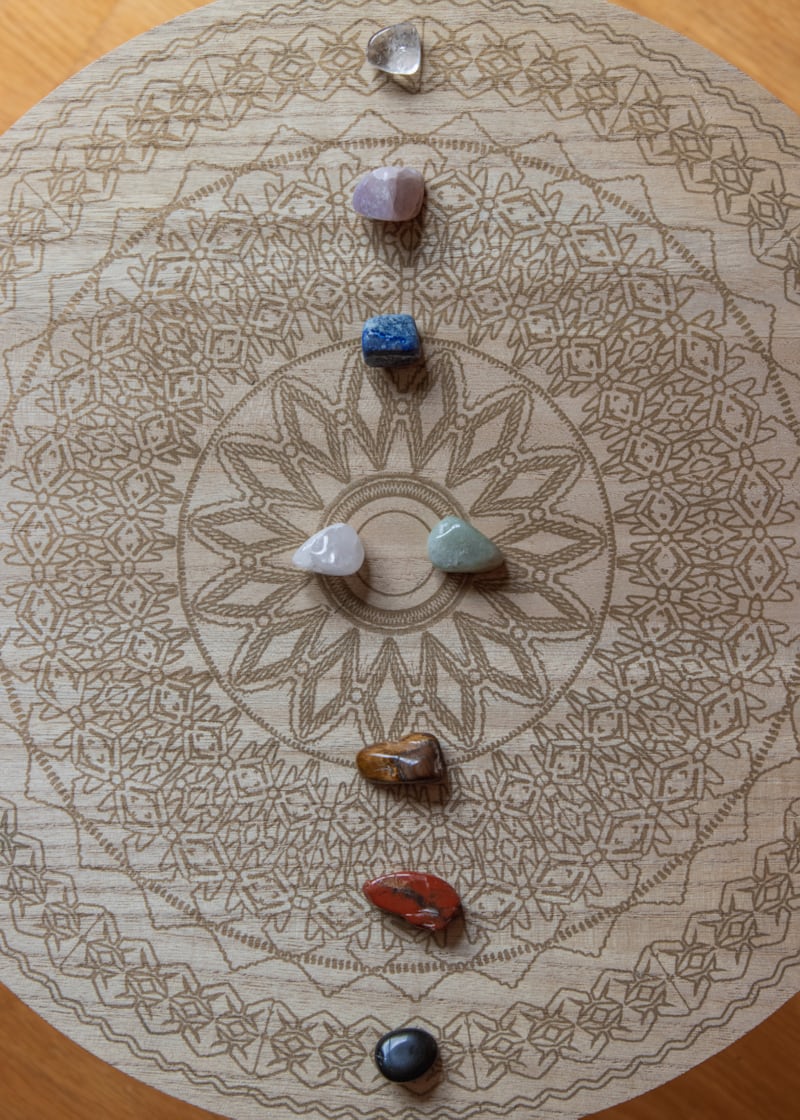
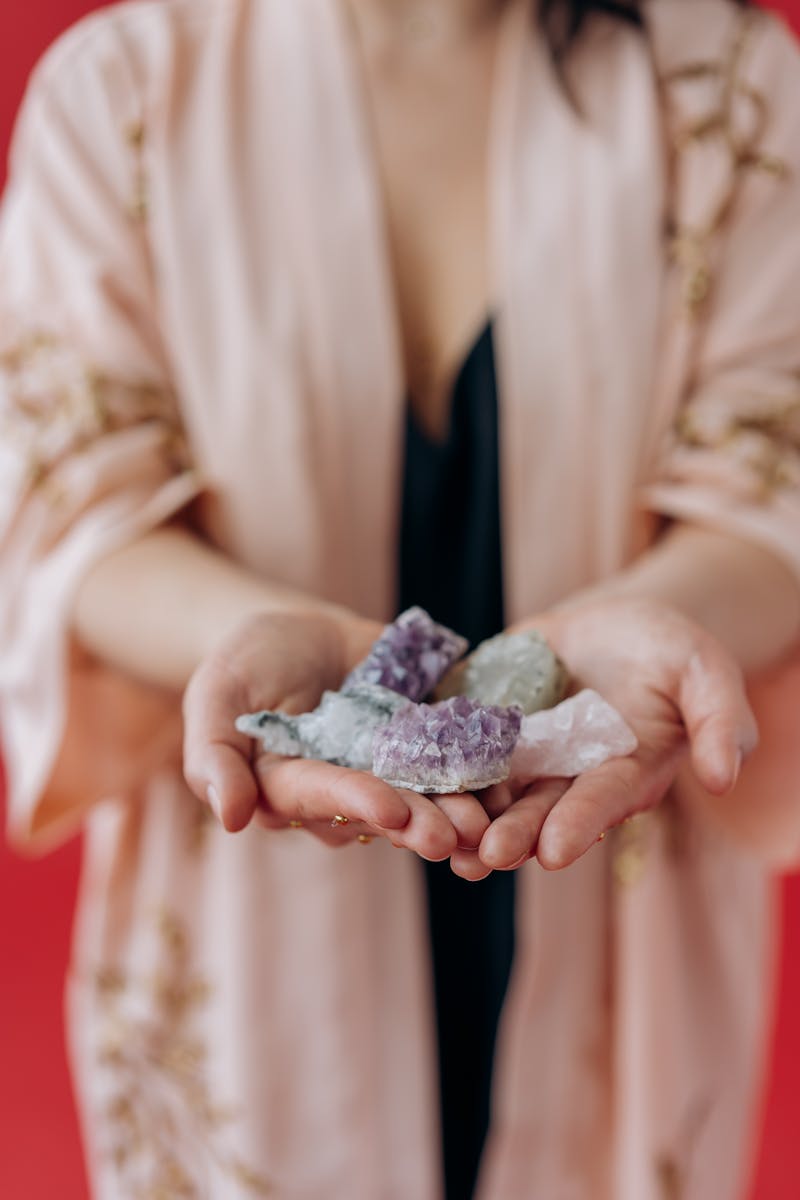
3. Crystals / Chakra Stones: Chakra stones are a powerful tool that can be used to balance the chakras. There are a variety of different stones that correspond to each chakra, so you can choose the ones that resonate with you the most.

4. Incense: Incense is a great way to set the mood for a chakra meditation session. There is a variety of different chakra incense available, so you can choose one that suits your needs.

5. Candles: Candles are another great way to set the mood for a chakra meditation session. Like incense, there are a variety of different chakra candles available, so you can choose one that resonates with you the most.

6. Music: Music can be a powerful tool for balancing the chakras. There are a variety of different chakra music CDs available, so you can choose one that resonates with you the most.

7. An eye pillow or washcloth (optional): If you find it helpful, you can place an eye pillow or washcloth over your eyes to block out any distractions.

8. A blanket or shawl (optional): If you tend to get cold easily, you may want to have a blanket or shawl handy to keep yourself warm during the meditation.

9. Essential Oils: Essential oils can be used during chakra meditation to help balance the energy in each chakra center. There are a variety of different essential oils that correspond to each chakra, so you can choose the ones that resonate with you the most

10. A timer (optional): If you’d like, you can set a timer for your meditation session so that you don’t have to worry about keeping track of time. This can help you to relax and focus more fully on the meditation.

11. A journal and pen: It can be helpful to have a journal and pen nearby so that you can jot down any thoughts, feelings, or insights that come up during your meditation.

If you’re looking to explore your spiritual side, chakra meditation may be a good option for you. This form of mindfulness meditation is focused on the seven energy centers in the body, also known as chakras. Chakra meditation can help to balance and harmonize the energy in each chakra center, which can lead to improved health and well-being.

Chakra Meditation: An Overview

The chakras are energy centers in the body that relate to different physical, emotional, and spiritual aspects of our lives. Chakra meditation can be an extremely powerful tool for healing and balancing the chakras. There are many different ways to meditate, but chakra meditation is a great way to focus on the seven main chakras in the body. The seven chakras are the root chakra, sacral chakra, solar plexus chakra, heart chakra, throat chakra, third eye chakra, and crown chakra.

When you meditate on each of these chakras, you can visualize them spinning and cleansing themselves. As you focus on each chakra, you may feel a tingling sensation or see colors associated with each one. You may also want to chant a mantra or affirmation related to each chakra. For example, when focusing on the root chakra, you could chant “I am safe and protected.”

Chakra meditation can be a very powerful tool for healing the body and the mind. It is important to find a quiet place to meditate and focus on your breath. If you are new to meditation, worry not because The Mala Tree will guide you through each step!

If you are interested in learning more about chakra meditation or other types of meditation, please check out our blog.

We hope you enjoyed this blog post! If you have any questions or comments, please feel free to leave them below. Thanks for reading!

The 8 Limbs of Yoga

The 8 Limbs of Yoga are a set of guidelines that help you live a good life. They teach you how to stay healthy, both physically and mentally. The 8 Limbs of Yoga come from the Yoga Sutras, which is a book that was written by the sage Patanjali.

1. Yama: The Five “Restraints”

The first limb of yoga is yama, which can be translated as the five “restraints.” These restraints are designed to help us live more harmoniously with both ourselves and those around us. The yamas are:

  • a) Ahimsa: Nonviolence or non-harming. This yama asks us to be mindful of the ways in which our actions affect others, and to try to always act with compassion.
  • b) Satya: Truthfulness. This yama calls on us to speak our truth, and to live our lives in alignment with our values.
  • c) Asteya: Non-stealing. This yama asks us to be mindful of how we use the resources of the earth, and to take only what we need.
  • d) Brahmacharya: moderation or restraint. This yama calls on us to be mindful of our use of energy, and to use it in a way that is in alignment with our highest purpose.
  • e) Aparigraha: Non-possessiveness or non-greed. This yama asks us to let go of attachment to material possessions, and to live in a way that is simple and humble.

What It Teaches Us: This first limb deals with your ethical standards and sense of integrity.

2. Niyama: The Five “Observances”

The second limb of yoga is niyama, which can be translated as the five “observances.” These observances are designed to help us live more harmoniously with ourselves. The niyamas are:

  • a) Saucha: Purity or cleanliness. This niyama asks us to keep our bodies and minds pure, and to live in a way that is in alignment with our highest values.
  • b) Santosha: Contentment. This niyama asks us to find contentment in what we have, and to be grateful for the blessings in our lives.
  • c) Tapas: Austerity or self-discipline. This niyama asks us to be disciplined in our practice, and to use our yoga practice as a tool for self-transformation.
  • d) Svadhyaya: Self-knowledge or introspection. This niyama asks us to turn inward and to get to know ourselves on a deeper level.
  • e) Ishvara Pranidhana: Full Surrender to the Divine or Letting go. This niyama asks us to surrender our egos, and to let go of the need to control.

What It Teaches Us: The second limb is all about taking care of yourself both physically and mentally.

3. Asana: The Physical Practice

The third limb of yoga is asana, which can be translated as the physical practice. Asana is the practice of holding the body in a variety of static postures, and is designed to increase strength, flexibility, and stability.

What It Teaches Us: This third limb is all about your physical posture. It includes things like proper alignment and breathing.

4. Pranayama: The Breath Practice

The fourth limb of yoga is pranayama, which can be translated as breath practice. Pranayama is the practice of controlling the breath and is designed to increase our lung capacity and to calm the mind.

What It Teaches Us: The fourth limb is about controlling your breath. This helps you to control your thoughts and emotions.

5. Pratyahara: Withdrawal of the Senses

The fifth limb of yoga is pratyahara, which can be translated as the withdrawal of the senses. Pratyahara is the practice of turning our attention inward and is designed to help us focus the mind and to find inner peace.

What It Teaches Us: The fifth limb is about turning your senses inward. This helps you to focus on your own thoughts and feelings, rather than getting distracted by the things around you.

6. Dharana: Concentration

The sixth limb of yoga is dharana, which can be translated as concentration. Dharana is the practice of single-pointed focus and is designed to help us still the mind and develop our concentration.

What It Teaches Us: The sixth limb is about concentration. This helps you to focus your mind on one thing at a time.

7. Dhyana: Meditation

The seventh limb of yoga is dhyana, which can be translated as meditation. Dhyana is the practice of deep contemplation and is designed to help us connect with our innermost selves.

What It Teaches Us: The seventh limb is about meditation. This is when you let go of all thoughts and just focus on the present moment.

8. Samadhi: Enlightenment or Union with the Divine

The eighth and final limb of yoga is samadhi, which can be translated as union with the Divine. Samadhi is the practice of self-transcendence, and is designed to help us experience the highest state of consciousness.

What It Teaches Us: The eighth and final limb is about enlightenment. This is when you reach a state of complete peace and understanding.

The 8 Limbs of Yoga are a journey toward self-awareness and enlightenment. They ask us to take a look at ourselves from a variety of different angles and to work on improving our physical and mental well-being. The ultimate goal is to reach a state of union with the Divine, but even if we don’t achieve that lofty goal, we can still learn a lot about ourselves along the way. What have you learned about yourself through your yoga practice? Let us know in the comments below!

Yoga 101: An Introduction

Chances are, if you’re reading this blog post, you’ve at least considered trying yoga. Maybe you’ve seen pictures of people doing yoga poses on Instagram or in magazines and thought it looked cool but were too intimidated to actually try it. Or maybe you’ve tried a few yoga classes but felt like you didn’t really know what you were doing. Trust me, I’ve been there. I remember my first yoga class like it was yesterday. I walked into the studio, rented a mat, and tried to copy the woman in front of me. Needless to say, I was a hot mess. If only someone had told me then what I’m about

The Basics of Yoga

Yoga is an ancient practice that originates in India. The etymology of the word “yoga” has its roots in the Sanskrit word “yuj.” “Yuj” in English means “to merge or join” or “to unite.” Yoga is often defined as a union of the mind, the body, and the spirit.  Yoga, therefore, is the union of a person’s individual self with his or her universal self.

There are many different types of yoga, but they all generally include some combination of breath work, meditation, and physical postures (asanas). The breath work (pranayama) helps to control the flow of energy (prana) through the body. Meditation (dhyana) helps to still the mind and focus on the present moment. And the physical postures (asanas) help to strengthen and flex the body. 

The Benefits of Yoga

Before we get into the nitty-gritty of how to do yoga, let’s take a moment to talk about all the ways that yoga can benefit you. First and foremost, yoga is a great way to improve your flexibility. If you sit at a desk all day or tend to hunch over your computer, you probably have tight muscles in your shoulders and hips. Yoga stretches and lengthens these muscles, which can help reduce pain and improve your posture.

Yoga is also a great way to strengthen your muscles. While some forms of exercise like running or lifting weights build muscle by putting stress on them, yoga works by resistance—which means it helps your muscles grow stronger by working against your own body weight. This is especially beneficial for people who are looking for a low-impact form of exercise. 

In addition to improving your physical health, studies have shown that yoga can also improve your mental health. Yoga promotes mindfulness, which has been shown to help reduce stress, anxiety, and depression. And because it improves your focus and concentration, it can also help improve cognitive function. 

Yoga has many benefits for the mind and body. It can help to improve your flexibility, strength, stamina, and balance. It can also help to reduce stress, anxiety, and tension headaches. And regular yoga practice has even been shown to lower blood pressure and improve heart health! 

Yoga is a practice that can be done by anyone, regardless of age, size, or fitness level. The key is to find a class or teacher that is appropriate for your level and needs. And Remember, there is no “perfect” way to do yoga- the goal is simply to show up on your mat and do the best that you can.

Yoga is an amazing practice with countless benefits for the mind and body. And it’s not as intimidating or difficult as it may seem at first glance. So what are you waiting for? Grab a mat and give it a try! Namaste.